Stars that Meet Once a Year, Looms that make God Protect Rice Fields and Men… They Want Better Handwriting!
Seems like enough to create a festival around! Why not?
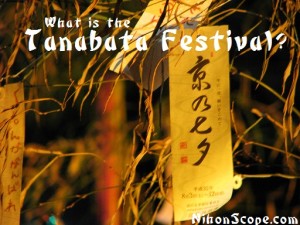
Tanabata means ‘Evening of the Seventh’. It’s known in Japan as the Star Festival. It actually comes from the Chinese Festival called Qixi. The original story and celebration of Tanabata comes from the meeting of two gods Orihime & Hikioboshi (The stars (the ones in the sky) are Vega and Altair).
By custom and how the story is told, these two stars (gods) are separated by the Milky Way and they are only allowed to see each other once a year. Which so happens to fall on the 7th of the 7th month. It varies a bit from regions of Japan, but the festivities usually start on July 7th. It will be held from July to August normally in Japan.
The Tanabata ritual was originated to Japan by the Empress Kōken around 755 AD. It came about because of the “Festival to Plead for Skills”, the Chinese name is Qixi.
The festivities grew in popularity among the public and by the early Edo age, when it became commingled with various Obon or Bon rituals and traditions, and grew into what most know now days as the Tanabata festivities. Ever increasing popularity for these customs concerns the festival changed a bit from one region of Japan to the next, but overall women hoped for better sewing craftsmanships, and men hoped for better hand-writing by jotting down their hopes and dreams on strips of kami-paper. Around this time, the ritual was to use dew on taro leaf to create the pen-ink used to scribe hopes and wishes with. But as time went on, Bon is now held on 15th of the 8th month from the solar calendar, these two are very close together but over all, Tanabata and Bon festivals and events are separate from each other.
Tanabata was read as “Shichiseki” at one time. It’s believed that a Shinto cleansing ritual was invented around the same time, in which a Shinto miko wove a unique piece of cloth on a loom called a Tanabata and offered it to a god to pray for protection of rice and for good harvests. After awhile this ritual intermingled with Kikkōden to become the Tanabata festival event.
What Differences to Expect When Going to School in Japan
Good Japanese Students are Seen Not Heard, American Students are Loud and Opinionated
There are a few things to understand about Japanese Schools and how they relate to American standard schools, and it comes down to the way you are taught, what the teacher expects from you and how you are graded.
In American schools, there is a lot of freedom to expression opinions and to ask questions. In fact, it’s said to be that those who take advantage of this idea are the ones who get the most of out classes in America and get the best grades. Whereas those who go to school in Japan will notice that it’s not as appropriate to ask questions in class, it’s more appropriate to ask questions after class or to ask your friends and classmates instead. It’s more of a virtue to be quiet during class, and by being ‘quiet’ you are seen as a good student in Japan, and with that, your grades can and many times will improve simply based off of that fact alone.
There is no eating or drinking in the class room or sitting on desks in Japan classrooms, whereas in America this custom is beginning to be the normality of going to school. When it comes to studying in Japan be it from 1st grade to University, the teacher will simply write down notes on the blackboard, and you will be responsible for taking down those notes and remembering them. Whereas in America the teachers do not use the blackboard as often and ask questions of the students while teaching. In Japan, it’s not very often you will see a teacher asking questions to their classroom.
When it comes to examinations, American classes rooms will expect you to be able to write down facts, names and history, but not only that but to form your opinion based around it as well. In Japan the notes you took while in class are simply the answers for many examinations, and you simply must just remember the facts. Although these two systems seem very opposite, the formulation of the illegal standards of Common Core in America is quickly leaving American school children behind. At this point although the Japanese system is a bit odd to us westerns, Japan is ranked #2 in schools in education in the world (from 2014) just under South Korea, whereas America was ranked #14.
So either way you want to look at it, Japanese students and the way they teach seem to be working much better then the American standards. No matter what the cultural shock may be, this remains to be a fact. But I often wonder with so much freedom overall given to American students if it creates a different kind of education, more of an opinionated one that could very well be the American spirit of freedom to do what one wishes. If one wishes to become more educated the platforms of doing so are there, as I’m sure it is in Japan if one wishes as well.
If you are interested in going to school in Japan contact us on Facebook and can will help you find a school in the area you’d like to study in. I’d also suggest checking out my free Japanese learning resources here that will help you become more proficient in speaking, reading, writing and understanding Japanese.
So now you know the differences between Japanese Schools and American Schools!
Everything You Need to Know About Japanese Onsen Etiquette + How to Onsen with Tattoo’s
Japan in it’s history was lavish with tattoo’s, but as times change in Japan (as they often do), the Japanese culture became more and more strict with the usage of tattoos, until now, still in 2016 we see many onsen, santo (bath houses), gyms and hotels will still turn people away who have tattoos that are visible.
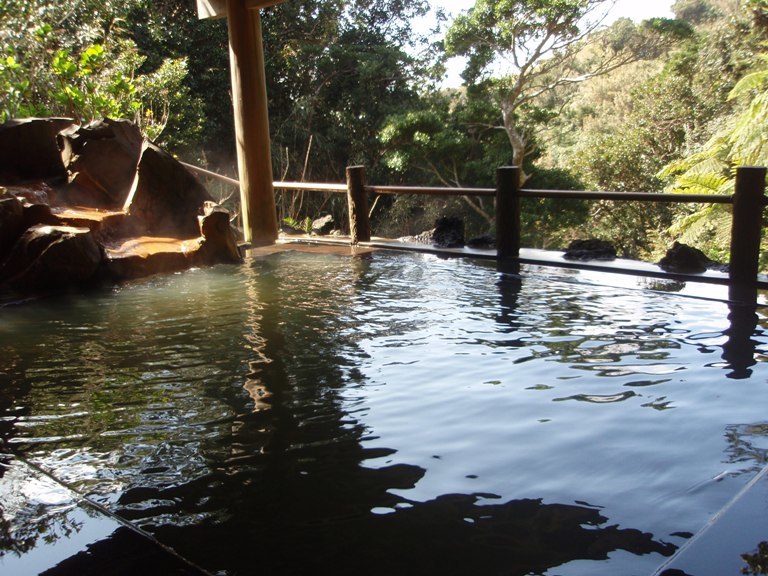
Overall this custom bans anyone from entering their facilities if they have a tattoo. So beyond now knowing that tattoos are considered taboo in Japan over all, what else do we need to know about etiquette when it comes to Japanese onsen? (hot springs). Be sure to read through till the end to find out how you can still enjoy the Japanese hot spring (onsen) experience whilst pimping out your favorite ink!
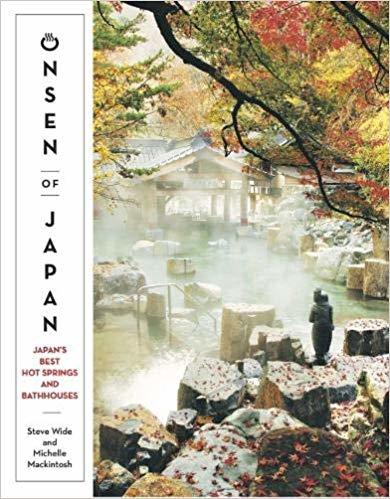
Or I highly recommend a hand-book guide to the best onsens in Japan below:
I highly recommend this book for those who are serious about doing some traveling in Japan. Onsen is one of those things one should do while in Japan. Just like eating sushi or drinking sake, visiting a shrine or going to the sky tree in Tokyo. If you miss out on an onsen experience you’re missing out on Japan!
Etiquette Rules #1
Be sure to fully wash yourself before entering into an onsen or santo. You’ll want to scrub yourself down, then rinse yourself. Many times there will be a stool you can use to sit on while washing.
Remember that in Japanese culture, baths are not for cleaning yourself, they are for relaxing. Many onsen and bath houses will expect you to bring your own towels and soap for cleaning, so be sure to do so. Plus you can save money by avoiding having to purchase the bath houses soap and towels.
Once you’ve cleaned yourself before entering, clean up your area and make it ready for the next customer after you. Also note that taking pictures in an onsen is kind of weird and you should not do it. Although some will allow, I’d say, be respectful of the naked people around you!
Etiquette Rules #2
You can use your towel to cover yourself whilst walking about the onsen or santo. Do not dive or splash in the water, do not wring your towel out in the water. And when you are in the water place your towel on your head. You can also set the towel to the side on a rock if you’d rather. If you need to wring out your towel, don’t do it in the onsen.
Don’t be a pervert. Pretty simple
Do not swim in the onsen, this is time for relaxing, if you want to swim go to a pool.
Etiquette Rules #3
Do not wear a swimming suit or bring a towel into the water to cover yourself. You’ll need to get over being naked in the onsen or santo. This is how things are in Japan, no body really cares. Overall bringing things into the water is shown as dirtying the water. So don’t do it!
If you want shared gender bathing experience go to a konyoku bath. You can also look for a kashikiri-buro bath which is used for families and must be reserved beforehand.
Etiquette Rule #4
Remove your shoes, many onsen have traditional Japanese flooring called tatami mats. It’s customary to remove your shoes before entering upon a tatami mat, so before entering the onsen area with the tatami mat, take off your shoes, and don’t label yourself the biggest gaijin in the world.
Etiquette Rule #5
Be sure to understand what changing room is yours. The women’s dressing room will usually be a large red curtain with the kanji for woman on it 女. If you end up going into the woman’s changing area, you’ll get slapped, head butted then possibly arrested for being a hentai 😛 so don’t do that.
Etiquette Rule #6
Since all onsen and santo are basically buck ass (nude only), you’ll need to place your clothes in a certain location. In the changing rooms you’ll find baskets that you can place your clothes in, many times you’ll have a locker. Don’t leave your stuff just hanging out all over the place, it looks trashy and it’s super rude!
Etiquette Rules #7
If in doubt, ask. Many onsen will have specific rules about their onsen or santo. You can read signs on the wall or simply ask if you are unclear.
This is where many times people with tattoos will need to address the issue if they are unsure the onsen allows tattoos. Still to date, many of these onsen do not allow tattoos but its become more common now days that you can find onsen that allow tattoos or at least be able to cover them up.
So unless you want to reserve a private onsen experience, you’ll need to know the rules of the onsen about tattoos. Tattoos in Japan have a few bad connotations. First is that the famous Japanese gang the Yakuzas have tattoos and second people were tattooed when they were in prison to show that they are criminals. So these ideas are still somewhat strong in Japan and thusly why some onsen don’t want to deal with Japanese or foreigners with tattoos!
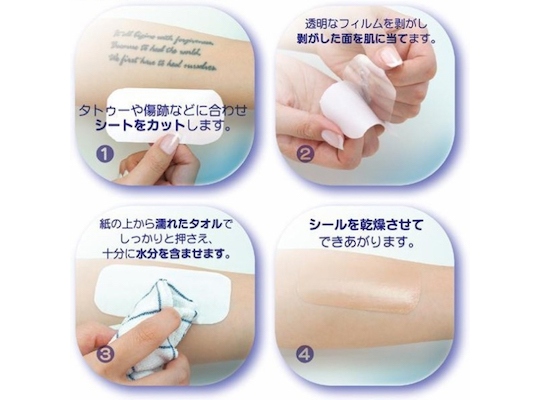
But there are a few things you can do if you have a tattoo in Japan and want to enjoy an onsen or santo, gym or hotel. You can simply find locations that allow tattoos (Use Tattoo Spot (it’s in Japanese)) or if your tattoo is small enough you can use a water proof sticker to cover up your tattoo.
Still check with the onsen before hand to avoid any conflicts with patching your tattoo, but many onsen are now allowing patching up their tattoos.
Now you know some simple Japanese bathing etiquette! By following these basic etiquette rules you will impress the owners and the Japanese, and help pave the way to more leniency for tattoos and foreigners moving into the future. Being someone that has a small arm tattoo I’ve been doing my research very thoroughly so I hope you can trust my advice and you can also enjoy the Onsen experience in Japan!

 What is the Tanabata Festival?