Hinamatsuri What is it
All Blog Posts, History in Japan, Holidays and Festivals

What is Hinamatsuri in Japan?

What is Girls Day in Japan?Hina Matsuri – Doll Festival: The Girliest Day Ever
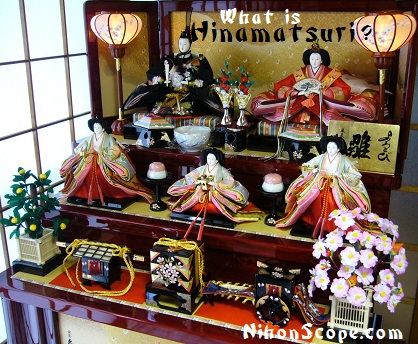
Hina Matsuri is a thousand year old festival that basically celebrates the development and happiness of younger girls. It can be called several different things: Girl’s day, Peach Festival (momo no sekku), Doll Festival, Pink Day and most likely many other things I’m sure I’m unaware of.

Better Ways to Learn Japanese Fluently

On March 3rd every year Japan celebrates a tradition called Hina Matsuri and/or the Doll Festival. It’s when families celebrate the development of their young girls. This is also called the peach festival. It usually starts around Feb 14th to March 3rd, during these days dolls will be decorated and it’s popular to eat a sushi called chirashi sushi which is a vinegar rice with mixed ingredients, it’s also normal to drink clam soup on the actual day of the festival.

During the period of the festival there is praying for better and good health. People will pray to the gods and offer goods and human shaped dolls which are created from paper and bamboo, these are created to symbolize their misfortunes and are then tossed into the river or oceans. Since the dolls are/were substitutes to bear misfortune, they were a luxury during the beginning of the Edo period which then transformed into the traditions that the Japanese celebrate today.

Families now days will have stands to show off these effigies (dolls) to purge evil and promote health and good luck, but it’s custom to keep them up from Mid February till the end of Hina Matsuri, but it’s said that if they keep them up after Hina Matsuri that the young girls will marry or give birth later in life. So it’s custom to keep them up for only until the end of Hina Matsuri.

These customs come from ancient Chinese belief using these dolls. The Chinese belief is said that you can transfer misfortune to these dolls and in order to remove it from your body, you simply throw the doll into a river or ocean. For those families who can not afford real ‘luxury’ dolls that’s where the paper dolls came from, which were usually made with scraps from kimono which were then connected to by strings so as to decorate bamboo rings. These dolls can cost upwards to a million yen ($10,000), and unless they are passed down from generation to generation these handcrafted paper dolls will have to do for most. In the Edo period these dolls were decorated in accordance of certain regions. These hanging dolls were created by families who could not purchase the ridiculous priced dolls, instead they would use the scraps of cloth to make cheaper versions. These paper dolls would then be proper equivalence to throw into the river. But as time went on, everyone saw it as a waste to toss these hand crafted dolls into the river, and thus the reason the stand is now the popular way to display the dolls and celebrate Hinamatsuri.

The popular song during Hina Matsuri is called “Ureshii Hinamatsuri” (Happy Hinamatsuri).

Akari o tsukemashou bonbori ni
明かりをつけましょう ぼんぼりに
Ohana o agemashou momo no hana
お花をあげましょう 桃の花
Go-nin bayashi no fue taiko
五人ばやしの 笛太鼓
Kyo wa tanoshii Hinamatsuri
今日は楽しいひな祭り

Let’s light the lanterns
Let’s set peach flowers
Five court musicians are playing flutes and drums
Today is a joyful Dolls’ Festival

There are TONS of definitions about the platforms of the stands for these dolls, and honestly. I’d say you can simply check this post out here if you want to learn more about that or watch the video above. Because I honestly don’t care that much about all the reasons of the platforms (I know, bad gaijin right?). What I personally care about is the basic reasoning behind this festival, and perhaps over time I’ll naturally just remember some of the customs with this festival with the platforms. So lets move on to the food during Hina Matsuri.

The food that was offered and eaten is a lot of different foods which are said to purge evil from the body when eaten and drank. Many of these foods and drink are white, green and pink/red, such as white sake and clams and Sakuramochi.

So now, you know a bit about Hinamatsuri and you can totally empress your gaijin otaku friends with your epic knowledge of Japanese festival traditions! Good for you 😛
Read More
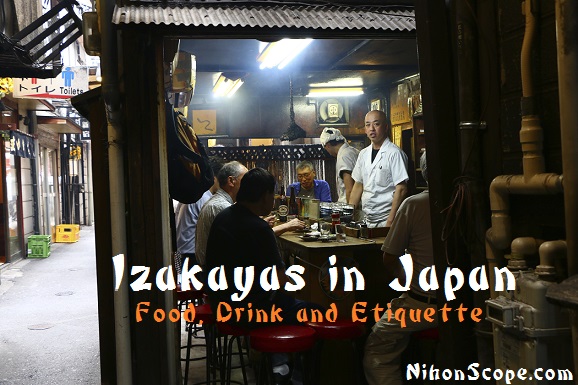
Izakaya Etiquette in Japan
All Blog Posts, Etiquette in Japan, Food and Sake, Learn Japanese

Izakaya Food, Drinks, Atmosphere and Etiquette

The How to and Dos and Donts of Izakaya Etiquette Foods Drink and MoreThe Japanese Izakaya

All you really need to know about Izakaya in Japan

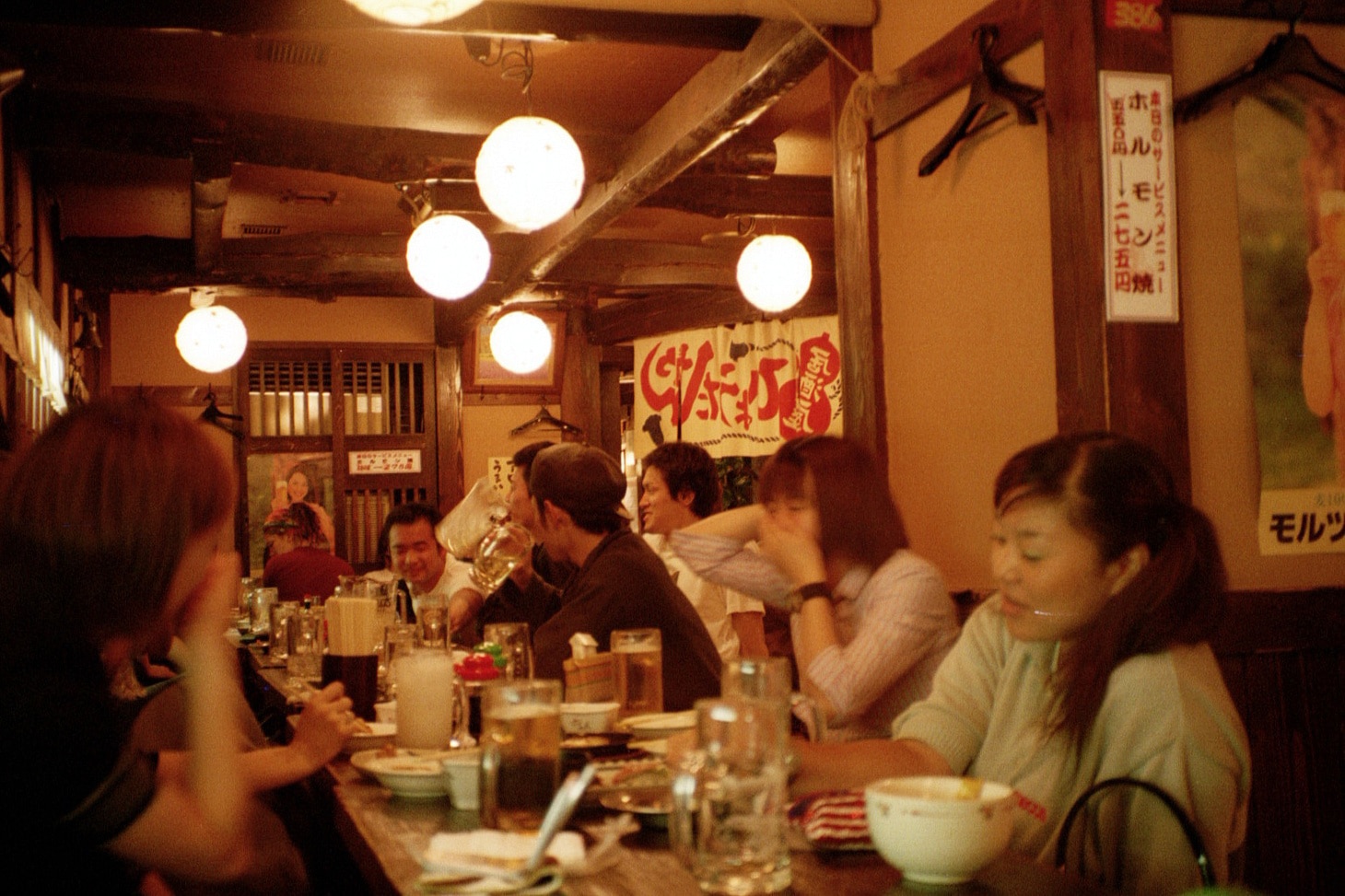
It’s said that the infamous izakaya of Japan are basically small (sometimes large) restaurant/bars. This is where a lot of Japan goes before they end up going home for the night. Many will either visit a izakaya before or after their last train home. This is what makes Japan so alcohol friendly, there’s no need for designated drivers as long as you jump on the last train for the night (Usually between midnight and 1am).. but if you’re drunk as hell, you might want to remember your manners on the train.

Better Ways to Learn Japanese Fluently

Also be sure to check out popular Netflix Izakaya show called Midnight Diner.

Want to impress the local Japanese with your izakaya etiquette elite skills?

Try this one: Open the door to the izakaya, enter slightly inside (mostly with just your head), and say the following “haitte mo ii desuka?” which means, “may I come in?”. Now since you’ve totally just impressed everyone, lets move on!


When you arrive at a izakaya you may hear “otsukaresama deshita!!” (You look tired and deserve a drink!) and Kanpai (cheers)! This is a great place to unwind, relax, get wasted if you so choose and enjoy a great variety of izakaya foods. It’s not solely about the drink! During the weekdays you’ll notice a lot of coworkers sitting together talking and laughing to end their day before going home, and on the weekends izakayas are a popular location for get togethers, parties and the like.

Purchase a real set of Japanese chopsticks

First Snack and First Drink at Izakaya in Japan
“First Snack and First Drink” – o-tooshi tsuki-dashi

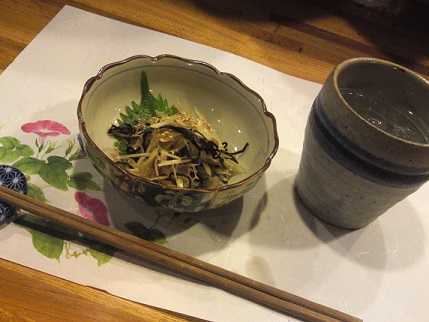
But it’s good to know when you first get there you will most likely be brought what they call a “o-tooshi tsuki-dashi” it means, “first snack, with the first drink”, and they can range from a basic cabbage mix to a bowl full of recently frozen edamame from China to a delicious seared tuna. But be sure to say something immediately if you do not want these appetizer/hors d’ourve then say “o-tooshi katto shite kudasai/お通しカットして下さい!” It means please remove or cut the appetizer. You can learn more about how to say Japanese hor d’ourves and Appetizer by reading this post.

But lets get to the good of an izakaya. What kind of foods are usually available at a izakaya in Japan?

Yakitori Food at a Japanese Bar
Yakitori at a Izakaya

The Top 7 Foods from Izakaya in Japan

#1: Okonomiyaki It’s usually a build your own pancake if you will, and it’s one of Japans more popular dishes believe it or not on street corners and izakaya. The Japanese meaning behind it is “as you like it”. So you can throw anything and basically everything you want into it!

Many times you’ll have cabbage, pork, fish, squid, or shrimp on the inside. The crispy and gooey meal is usually then drizzled with Kewpie mayo, blasted with some bonito flakes and layered with a bit of tonaktsu sauce!

#2: Korokke is a famous drinking appetizer in Japan at izakaya’s, it’s a fried croquette with potatoes and crabmeat.

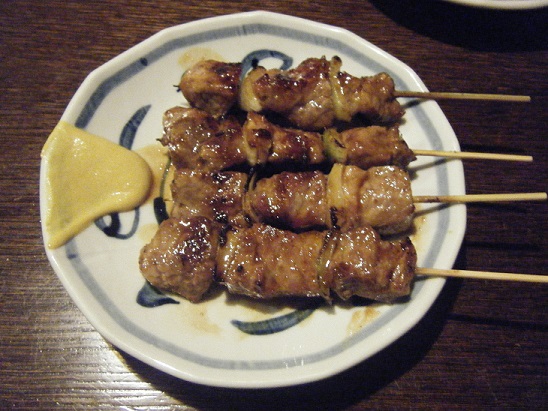
#3: Yakitori of course is also a famous Japanese choice of appetizer and many times full meal. Yakitori is basically a skewered piece of chicken meat that it served with dipping sauce and a side of vegetables which are also skewered. You can also expect to see the skin, liver and heart of the tori (chicken) to be served as well

#4: Ikayaki is a basic type of o-tooshi (appetizer) that is a soy marinated squid (Ika) which is then grilled and sliced into pieces. It’s also a favorite street food in Japan and many street vendors will sell Ikayaki

#5: Omusubi and Onigiri are similar foods to sushi. These are basically rice, salmon, pickled plums, code or teriyaki spam or bacon wrapped in a nori (seaweed) wrap and severed with a blast of vinegar on the top.

#6: Karaage is Japanese fried chicken which is coated in potato starch which is called katakuriko. It’s a much lighter fried chicken then what most westerns are use to.

#7: Gyoza is a traditional Japanese food which is stuffed with vegetables and ground up pork meat. Gyoza is actually a potsticker, it’s a crispy meal that is covered in a sauce which is based around rice vinegar, soy and rayu which is a chile oil, this can be found in many real Chinese restaurants.

You might do well to learn basic chopstick etiquette while you are visiting izakaya in Japan.

It’s great to know these izakaya will pair their food nicely with the alcohol they serve.

Japanese Sake Banner

Best Practices and Etiquette in a Izakaya in Japan
Drinking Etiquette in Japan and while at Izakaya

Izakaya Basic Etiquette

Izakayas are most of the time casual in their atmosphere, which overly means you leave the formality at the door!

#1: If you are with a group of people, it’s best to order the same drink as everyone else for the first round. Many times this will be a ‘nama biiru’ (which is a draft beer), this is normal and it’s something you will order before looking at the menu. You can ask for draft by saying ‘ Toriaezu, biiru’ (just beer for now).

#2: Using the phrase ‘Kanpi’ (cheers) before drinking and the phrase ‘itadakimasu’ (time to eat/thank you for the food) before you eat is a great way to be apart of the energy of the izakaya and to politely express that you are ready to eat. But if you happen to be drinking at a specialty izakaya you may find yourself drinking a shot or two of habushu sake, and with that you may need to double up on your kanpi’ing.

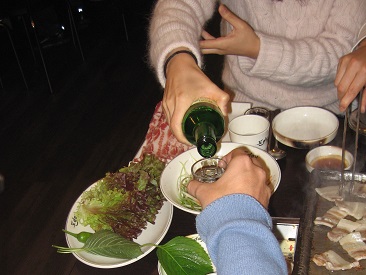
#3: It’s considered polite to pour for others while in a group if you are drinking from bottles of sake or beer when they finish their cup, of course you can use this as a reminder for others to pour for you by pouring for them. If you are done drinking, just leave your cup full to avoid anyone else pouring for you.

#4: If you happen to be at a traditional izakaya, they may have bathrooms with bathroom only slippers. You’ll take off your shoes and use the slippers while in the bathroom, then you will take off the slippers when coming back out. It’s said that wearing the bathroom slippers out of the bathroom is one of the most embarrassing etiquette slip ups that you can make in Japan. I suppose it would be similar to have a piece of toilet paper sticking out of your shoe or pants.

You should be able to make your way around Japan and enjoy all the Izakaya you can possibly find!

Read More
Japanese Food Stuff Hors D'oeuvre
All Blog Posts, Learn Japanese

How to Say Hors d’oeuvre in Japanese

Learn How to Speak Japanese for Yummy FoodsWhat do you say in Japanese if you want to say “hors d’oeurve?”

Dude… I swear I remember this one! It’s.. it’s…. uuuhhh…

I was actually going through Kanji Gold yesterday and I came upon a vocabulary word and it was for “hors d’oeurve”, I thought I had used it enough the first day that I thought I had remembered the word. But as I awoke today I was asked if I’d like some hors d’oeurves, which happened to be some dip, crackers and cheese. Then I thought, “oh man, I just learned how to say that in Japanese yesterday”. So I tried with all my might, yet it didn’t come to the surface, so I had to go through Kanji Gold again and go through the lesson of vocabulary words I was working on. I eventually came to it.

Better Ways to Learn Japanese Fluently

Now, let me point out, this word is used for Japanese Hors D’ourves mostly, but it’s a good thing to remember as I’ll point out here shortly.

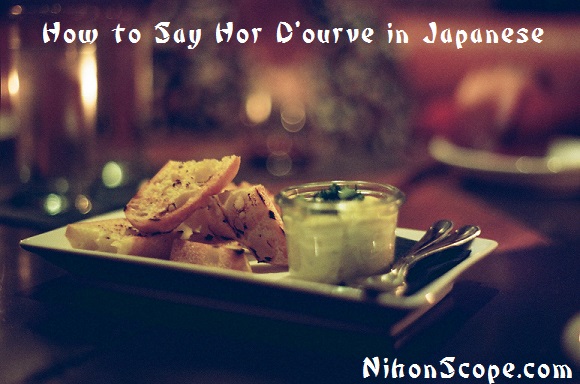
First Snack and First Drink at Izakaya in JapanTsuki-dashi is the word in Japanese for hors d’oeurvre.

突き出しor つきだしin pure hiragana.

Appetizer in Japanese is O-tooshi – お通し – おとおし

Now to go a bit further into this where you actually may see this while in Japan is when you visit a Izakaya (a bar essentially in Japan), they will many times serve you something like this. It’s called O-tooshi Tsuki-Dashi. It means first snack with first drink.

And it can be a dozen different things that they give you.. But be-warned, this o-tooshi tsuki-dashi is actually not free. You can read more about this custom in izakaya by checking this post out here.

In the end though when looking for this vocab word again I found that even by searching the internet I was unable to find this simple word for the Japanese equivalent to this yummy word (through simple how to’s searches), and of course Google translate is just absolutely horrid for most things when it comes to translating Japanese to English. If you’d like to check out my free Japanese resources you can check out this page here. Over the last 15+ years of learning Japanese I’ve run across several different sites and books that can really help when you start studying like your life depends on it. Even though I’ve been studying off and on for 15 years I don’t believe I really gave it much of a go until the last 2 years when I ran into the website Nihongo Master. I strongly suggest looking into Nihongo Master if you want to quickly learn how to read, write and speak REAL Japanese.

Now you know, when someone asks you if you want Hors D’ourves in Japanese, you can certainly say ..”no/iie” 😀

PS: Just a side note, many of the izakaya will not really give you much time to wave it away if you plan on not having tsuki-dashi.


Read More