what exactly is kancho and why do they play it in japan
All Blog Posts, Etiquette in Japan, Japanese Culture, Pro's and Con's of Japan

Kancho in Japan: Etiquette, Meanings and… WTF?

Kancho, The Game/Prank For All Perverts of Japan!

So of course as things go with studying Japanese culture every day, I still get surprised and have to just go… WTF JAPAN? Because honestly being from the west this little game/joke/prank called kancho is for me a big WTF. So what is this naughty game called called kancho all about? Well simply put it’s when someone sneaks up on you and jams their fingers into your butthole.

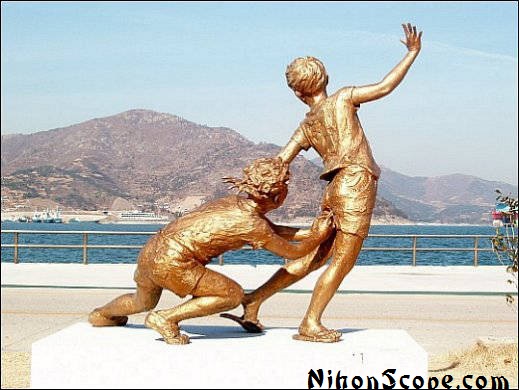
Kancho Figurine Toys from Takara Tomy Arts

Preverted Japanese PranksNo, I’m not kidding. The game kancho which is usually played by small children under the age six is something that literally involves your fingers and a butt. But just because it’s mostly played by children, doesn’t mean that they’re just doing it to each other… Oh no, in fact, if you’re a teacher, parents, older sibling you better protect your back parts from being probed, and to be fair, you could also find yourself getting a probe from someone at work, high school or college (some just don’t mentally grow up past the age of 6)! This weird oddity is not just Japan’s alone, the Korean’s and those in Philippians seem to enjoy a good game of jab the butthole. Butt, seriously now, this game is so revered in Japan, they had to make themselves a statue of the good ol’ time they’ve had jabbing strangers, friends, family and even teachers in the bung-hole.

The Etiquette of Kancho

One thing to note though is that yes these cultures are different, and for the most part kancho in Japan is tolerated especially those 6 and younger. So if you’re planning on being a Japanese English Teacher for wee ones, then you could expect a nice bit of backlash from your students at one point in time when they become a ragging pack of piranha. The Japanese give these kids HUGE room to be bastards, so the best way to handle them is to never mentally break in from of them, be able to take a joke and even be able to deal some back to them (minus the kancho, c’mon now, that’s a bit creepy). If you can do that, it’s said Japanese children will respect you for that and give you less of a hard time. But for those that are not equipped with a sense of humor may end up a broken mess on the floor during the first day of school.

But to further the rules, well, there really are no rules, except, avoid being a pervert at the wrong time, like:

Funerals, Weddings (proper timing), School Entrance Ceremonies, Trains (This is known as chikan if done wrong =P), On the Frail Elderly.. and you know I’m sure you just have to use your best judgement here, if it seems it might be frowned upon to sneak attack a persons butthole at a certain time, try to find another more suitable time to do so…

#themoreyouknow

It's possible to learn Japanese while watching your favorite anime

NihonScope 


Read More
Weather in Fukuoka can vary
All Blog Posts, Japan Geography, News in Japan

Weather in Fukuoka, Japan. What to Expect?

Information about Kyushu Weather in Fukuoka JapanWeather Facts of Fukuoka, Japan

So what is there to expect weather wise in Fukuoka, Japan when you come for a visit?

Let’s get to a few interesting facts about Fukuoka first before the weather averages. First, the area of Japan is said to be one of the safest areas for those who want to avoid earthquakes (not that it’s totally weather related), it’s only 40 feet above sea level and for the most part is pretty boring when it comes to weather although you could have a typhoon or two at times. Fukuoka gets to experience all 4 seasons of weather in Fukuoka despite being sort of a tropical area of Japan.

Better Ways to Learn Japanese Fluently

Average Weather

The months of May through July, September and October have some of the best weather in Fukuoka with calm weather and good overall temperatures. The warmest months are July, August and September. Most of the rainfall in Fukuoka (the rainy season) is seen throughout March through October. The coolest month is January and overall July is the wettest month of the year. If you don’t like the rain it’s suggested not to show up during July. Although December is the driest but sort of cold.

The lowest temperatures can reach just above freezing through Dec, Jan and Feb. the highest temperatures can reach up into the 90’s (F). Most months besides Oct, Nov and Dec, have at least 10 days of rain, snow or hail days in them, with Jan, May, Jun and Sep having close to 15 days of rain or hail throughout the month. Humidity in Fukuoka stays around 65% for most of the year, May, Jun, July, Aug and Sep are closer to 70-80%.
Wind nears around 10mph on average.

So when you visit Fukuoka for a full year be sure to have winter wear and summer wear available!

-Nihonscope

Read More
Hanko Stamp in Japan
All Blog Posts, Japanese Culture

The History and use of Hanko Stamps in Japan

The Use of Hanko in Japan: Past and Present

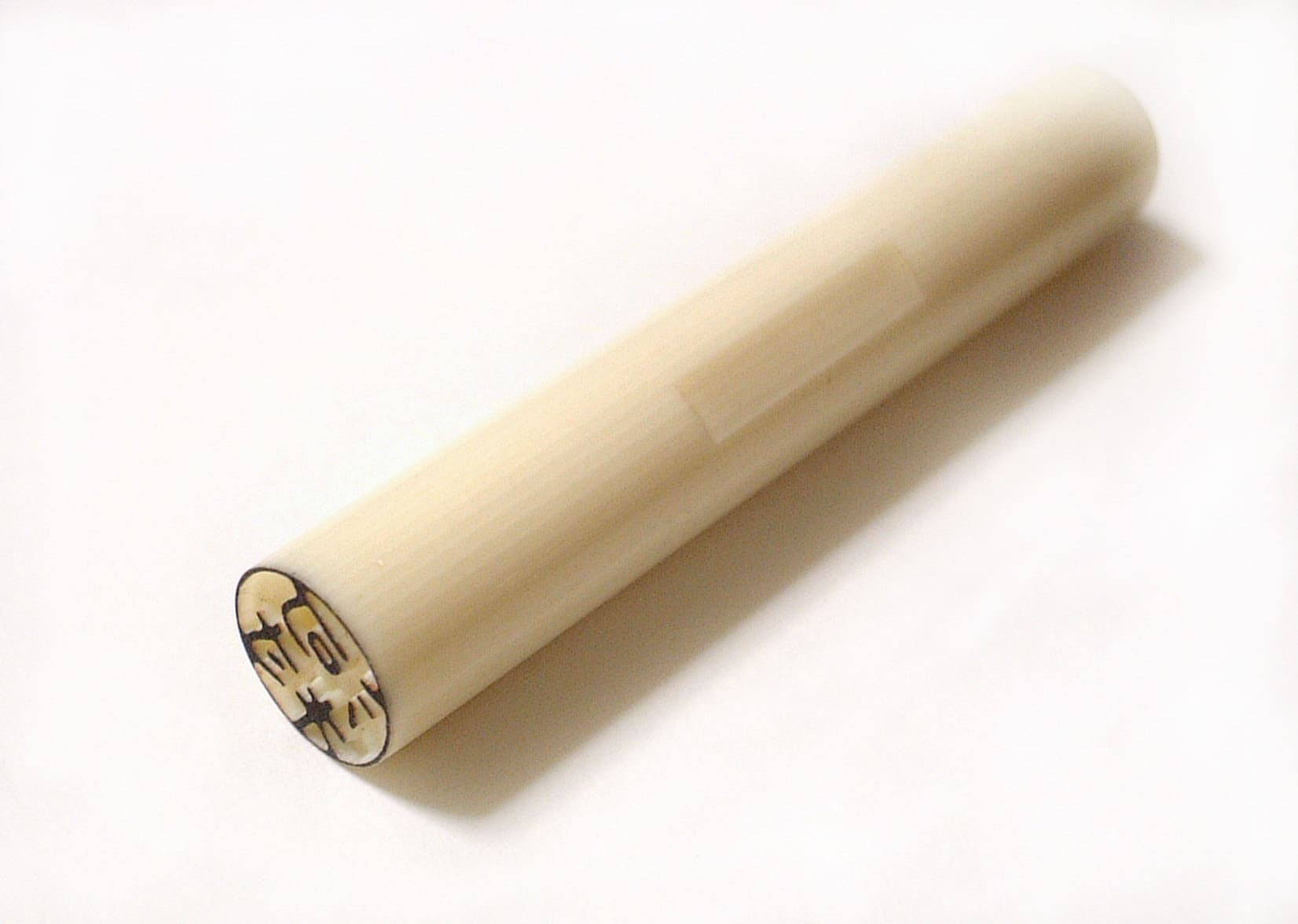
This is what a hanko stamp seal looks likeHanko stamps (判子) or otherwise known as Han or Inkan are stone, horn, wood or rubber stamps that are created with the individuals name on the bottom of it. It’s basically a signature that we westerns are familiar with. They are used practically every single day in Japan by most people and are used to stamp a letter, or purchase a car. The history of the hanko is a bit different, they came to Japan from China but were only available to people of top authority officials usually in government. It took almost 1,000 years after they arrived for the general population to finally be able to use these hanko stamps, but interestingly enough the general population of Japan was not allowed to have any type of myouji (surname/family name) until about the late nineteeth century.

Better Ways to Learn Japanese Fluently

Hanko stamps in general date back to 5500 B.C., where it first made it’s appearance in the Middle East as personal symbols being engraved on stones, shells, clay and wood. It’s started because of similar reasons a cattle farmer wants to brand their live stock, people used to use these stamps to identify their personal property. These hanko then found themselves inside Europe, then they finally hit into Asia. At this current point the oldest hanko in existence in Japan is made of gold as was given to the Emperor Guangwu of China back in 57 A.D. Han Dynasty. The seal was given to a king who ruled in a city near where Fukuoka is today as acknowledgement of his status.

Purchase an Inkan Hanko Stamp Here

Japanese government authorities began to use these hanko for official documentation for authentication around the eight century and since then the Hanko has been also used by high governing officials and even samurai for most of Japan’s recorded history. They were common also amongst merchants and even farmers in the Edo period (1603-1868). The current hanko system was really started amongst the Meiji Era (1868-1912), finally in the early 1870’s the government passed a law that required people to register their personal hanko that will be used for important legal and personal documents.

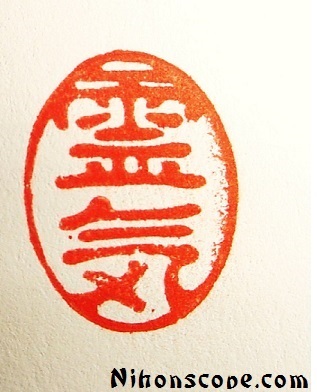
Perhaps you’ve seen some of these red seals on papers in gift shops or on a painting before? But it’s not just for paintings and crafts, the hanko stamp is used to sign for things as well in Japan. Instead of simply signing your name over and over again the people of Japan will stamp their way to a cramp free hand.

These hanko (or just han) stamps are in the hands of every single person in Japan, it’s quiet normal, although as a western it is odd that I’ve seen these stamps, yet most people have no clue that these are used in daily life to this very day in Japan. When people order the hanko stamps their price is determined by 3 things: shape, size and material. Some are stone, some are rubber and some are made of wood and some sadly are still made from ivory. The size is then determined by how complex it is based of the use of characters. When hanko are made they are made  simply for your last name, as in Japan they always use their myouji (Surname) first instead of their first name. There are hanko that do have both, but in Japan most people will not used it unless there is a certain occasion like purchasing a house.

It said that average Japanese do not even have a first and last name hanko, and if they do they might use it 1 or 2 times in their entire lifetime. When it comes to westerns using hanko it’s good to note and be aware that there aren’t Kanji that can exactly pronounce your name (most times), with that said, you’ll be using the next best thing which is pronunciations that are close enough to do the job. On other note, some names in English and in other languages have actual meanings, so perhaps your name is “Brook”, there are a set of Kanji to describe a Brook and thusly you’ll have your hanko based off of those kanji instead of the pronunciation.

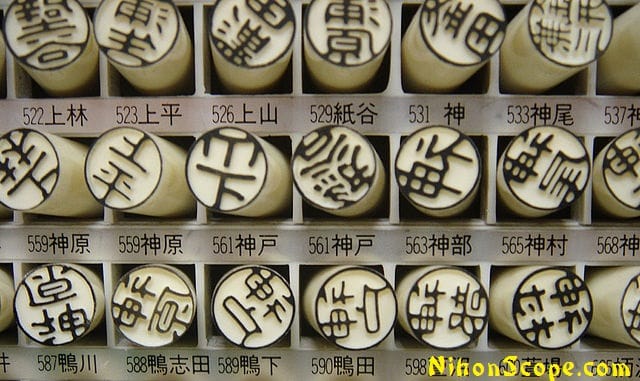
A Bunch of Hanko Stamp in SlotsThere is also 2 different shapes of hanko, round and a square. It’s good to note that if you are buying this for yourself, you’ll want to purchase a round hanko as it’s used by individuals whereas square hanko are used by organization. Although artists will use the square hanko for their artworks. Another interesting note is that in Japan people of a certain class, such as a PhD do not add that they are a Doctor or Sensei to their hanko or signatures, it’s seen in Japan as a sign of insecurity to have to tell people you are who you are. If you were to do this for yourself being a foreigner, you’d just be viewed as culturally ignorant. It’s said that people who are confident and accomplished do not need to tell others that they are. In Japan people judge this type of ‘self proclamation’.

As a foreigner you can use a hanko for some legal documents but not all. Many times a signature is still required, like if you were to buy a car, or a house, you will no doubt need a signature to do so. BUT, if you wanted to go the extra mile you would register your hanko with the government.

Purchase an Inkan Hanko Stamp Here

NihonScope

BUMP OF CHICKEN – GO


Read More